
Emergency Bulkheads
Our featured products from Emergency Bulkheads
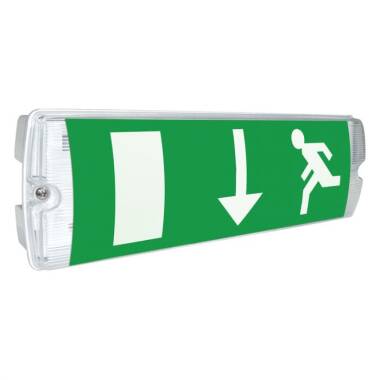
£19.00
 (35)
(35)Ref 28891
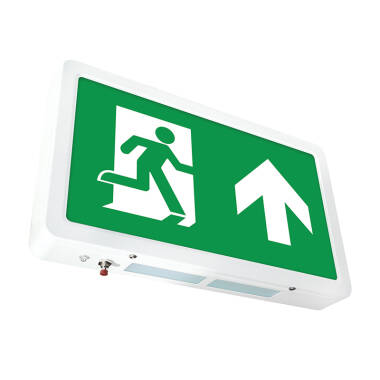
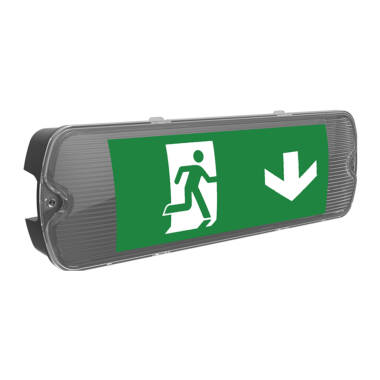
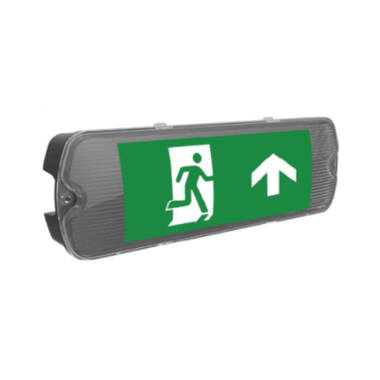
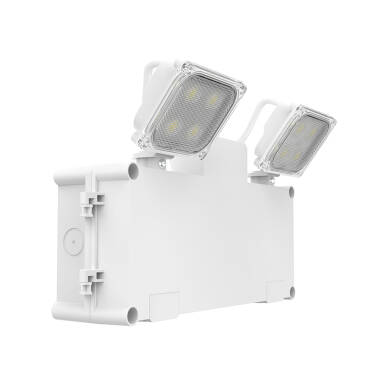
Eterna 7W LED Emergency Bulkhead with Legend Set
White
IN STOCK - Delivered in 1 to 2 working days

£53.99
Ref 60680
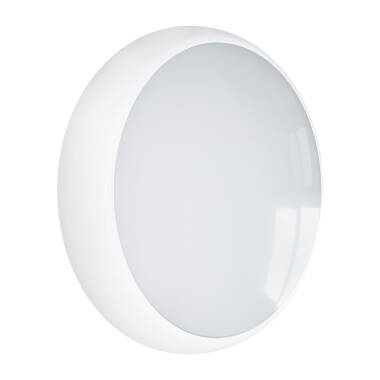
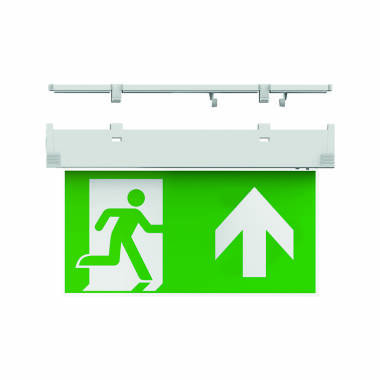
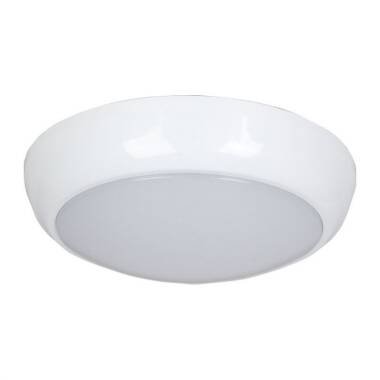
Integral 12W Cool White LED Emergency Slimline Flush Light with Microwave Sensor
White
IN STOCK - Delivered in 1 to 2 working days
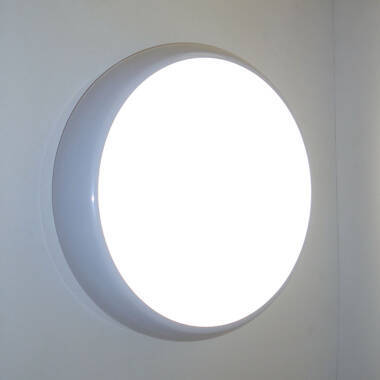
£44.99
Ref 62800
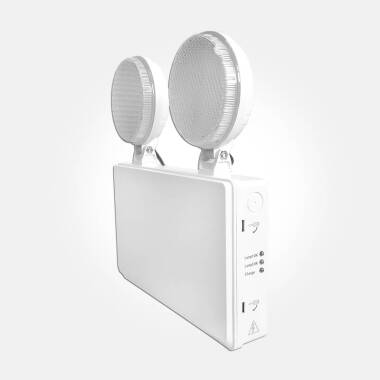
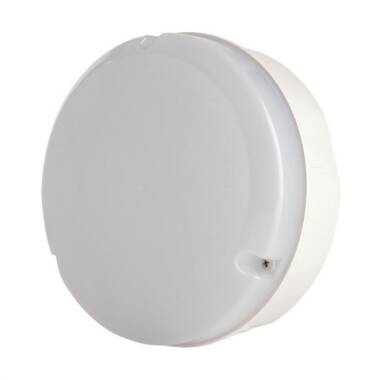
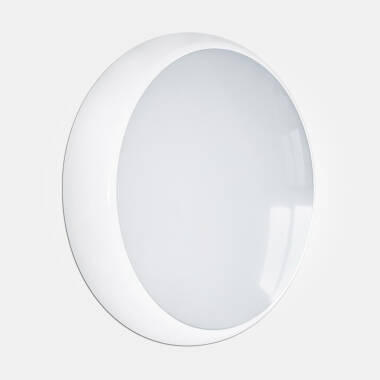
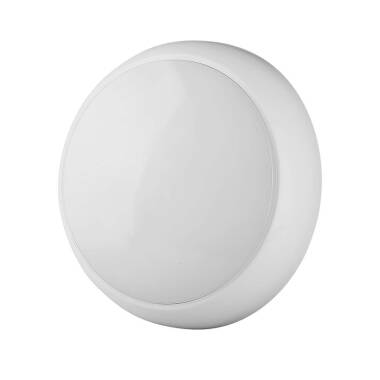
Eterna Chara 9W/14W/20W Colour Selectable LED Emergency Ceiling & Wall Flush Light
White
IN STOCK - Delivered in 1 to 2 working days



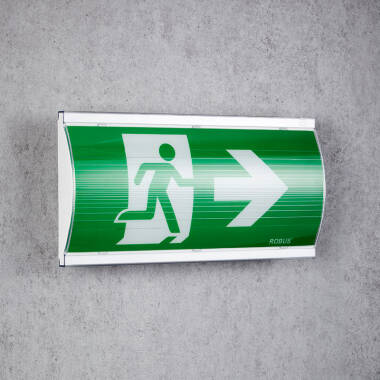

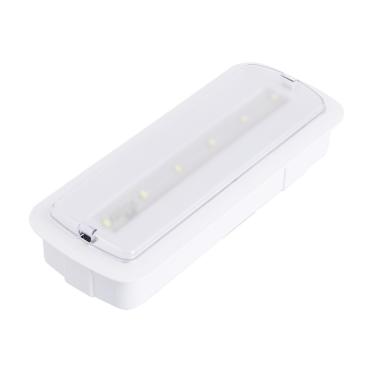
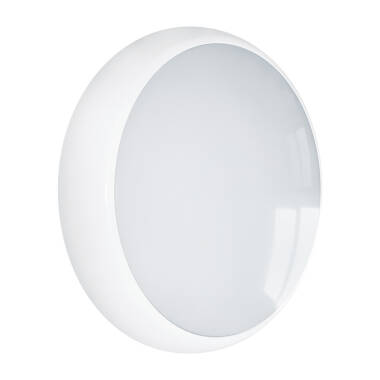
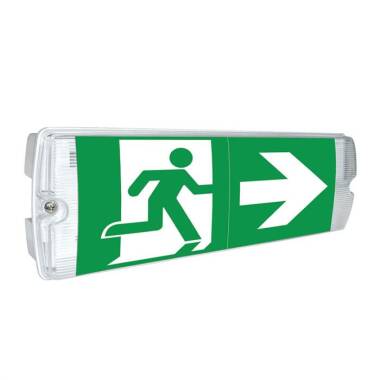



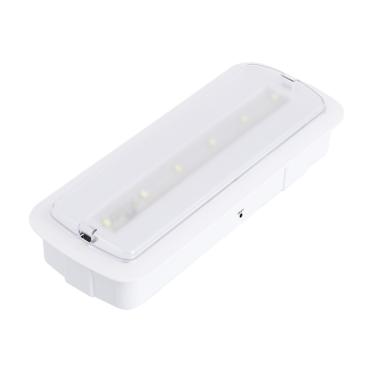
About Emergency Bulkheads
Emergency bulkhead lights are a legal requirement in most non-domestic buildings across the UK. When mains power fails, they activate automatically and illuminate escape routes for a minimum of three hours. Our emergency lighting bulkhead range covers both maintained and non-maintained configurations, in IP44 to IP65-rated housings suitable for corridors, stairwells, communal areas, and external escape routes.
All fittings in this collection meet the requirements of BS 5266, the UK's standard code of practice for emergency lighting. For general-purpose wall and ceiling fittings without emergency operation, see our standard bulkheads.
Find Quality Emergency Bulkhead Lights at Lyco
The single most important specification decision for an emergency bulkhead light is whether the installation requires maintained or non-maintained operation, and the answer is determined by the building type and how it is used, not personal preference.
A non-maintained emergency bulkhead is off during normal operation. It draws power from the mains to keep its internal battery charged and only activates when mains power is lost. This is the standard choice for most workplaces where the building's normal lighting is sufficient during occupied hours, and occupants are familiar with the layout.
A maintained emergency bulkhead operates as a normal light fitting during standard conditions and switches to battery power during an outage. It is used in public-facing environments such as theatres, cinemas, licensed venues, shopping centres, and any space where members of the public may be unfamiliar with the building's layout.
In these settings, exit and escape route signage must remain illuminated at all times, not just during emergencies. Maintained operation satisfies this requirement from a single fitting.
UK emergency lighting regulations, such as the Regulatory Reform (Fire Safety) Order 2005, supported by BS 5266-1 and BS EN 1838, require that emergency lighting on escape routes provide a minimum of one hour of illumination for buildings where occupants can evacuate immediately and three hours for premises with a sleeping risk or where evacuation takes longer. The 3-hour emergency bulkhead is the most widely specified option and satisfies both requirements, making it the safer default choice for most commercial installations.
BS 5266 also requires that emergency lighting systems are tested regularly: a monthly functional check and an annual full-duration test running the battery for its rated period.
Self-testing emergency bulkheads automate this process, logging test results internally and alerting the responsible person to any failures.
All orders over £70 qualify for free delivery, with same-day dispatch on the full emergency lighting bulkhead range.
Frequently Asked Questions
What is the legal requirement for emergency bulkhead lights in the UK?
The Regulatory Reform (Fire Safety) Order 2005 places a legal duty on the "responsible person" (typically the building owner, employer, or facilities manager) to ensure that non-domestic premises have adequate emergency lighting on all escape routes.
The technical standards that define what adequate means are set out in BS 5266-1, which covers design, installation, and maintenance, and BS EN 1838, which specifies minimum illuminance levels (1 lux on escape route floor areas up to 2 metres wide) and duration.
Most commercial buildings require emergency lighting capable of operating for three hours on battery. Failure to comply can result in enforcement action and, in serious cases, prosecution.
What is the difference between maintained and non-maintained emergency bulkheads?
A maintained emergency bulkhead is permanently illuminated, and functions as a standard light fitting during normal operation and continues to operate on battery power when mains power is lost.
A non-maintained emergency bulkhead remains off during normal operation and only activates during a power failure. Maintained fittings are required in public spaces where occupants may be unfamiliar with exit routes. Non-maintained fittings are appropriate for workplaces where occupants know their surroundings and the building's normal lighting is sufficient while it is occupied.
How long must an emergency bulkhead light run on battery?
BS 5266-1 specifies a minimum duration of one hour for buildings where occupants can evacuate immediately and the building is not reoccupied until batteries are fully recharged. A minimum of three hours is required for premises with a sleeping risk and for entertainment venues, theatres, and other places of public assembly.
A 3 hour emergency bulkhead is the default specification for most commercial installations because it satisfies both requirements and removes the need to assess which duration category applies.
How often do emergency bulkhead lights need to be tested?
BS 5266-1 requires three levels of testing: a brief monthly functional test (typically a few seconds of battery operation to confirm the fitting activates), a quarterly check, and an annual full-duration test where the battery runs for its full rated period (three hours in most cases).
All tests must be recorded in a logbook kept on site and available for inspection. Self-testing emergency bulkheads automate the monthly and quarterly tests and flag any failures to a central monitoring point or via an indicator on the fitting itself, which significantly reduces the manual burden on facilities managers in larger buildings.
Can an emergency bulkhead be wired in both maintained and non-maintained modes?
Many modern emergency bulkhead fittings offer dual-mode wiring, allowing the installer to configure the fitting as either maintained or non-maintained depending on the requirements of the space. This is a useful feature when specifying across a building where some areas require maintained operation (public corridors, staircases) and others can use non-maintained (back-of-house, plant rooms). Check the product specification to confirm whether dual-mode wiring is supported before purchasing, as not all fittings offer this flexibility.
Do you sell emergency bulkhead lights near me?
Lyco delivers emergency bulkhead lights to all UK mainland addresses with next working day delivery as standard. Orders over £70 qualify for free delivery, and same-day dispatch applies to the vast majority of products in the emergency lighting bulkhead range.