
Low Voltage Garden Lights


Our featured products from Low Voltage Garden Lights
£29.99
EasyFit Pro 24VRef NLY0010417
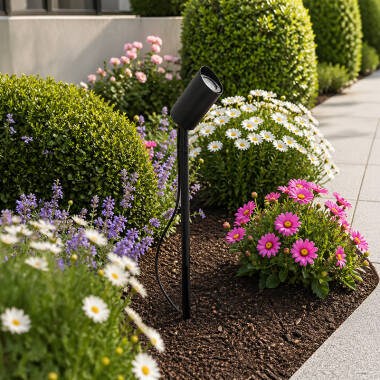
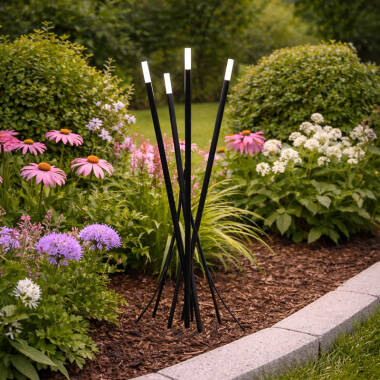
NewEasyfit Pro 24v Garden Lights - Foxglove LED Outdoor Feature Stake Light
IN STOCK - Delivered in 1 to 2 working days
- Wattage 3 W
- Voltage Range 24V AC
- Lumen 360 lm

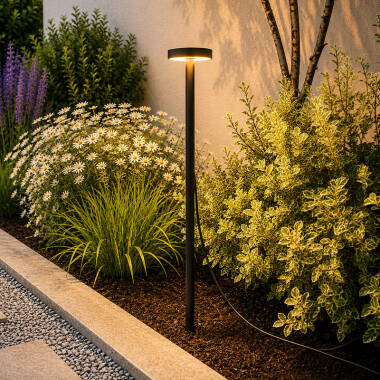
£24.99
EasyFit Core 12VRef 411036
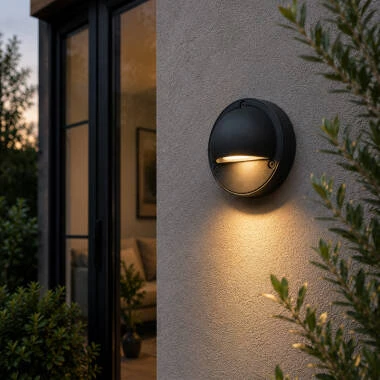
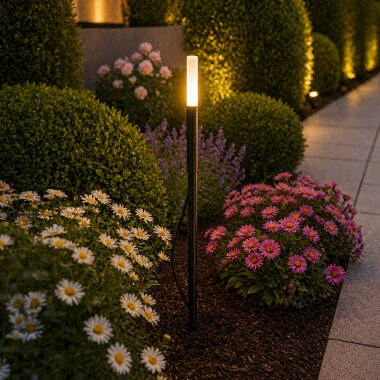
NewEasyFit Core 12v Garden Lights - Flora LED Bollard Light - Stainless Steel
IN STOCK - Delivered in 1 to 2 working days
- Wattage 3 W
- Voltage Range 12V AC
- Lumen 180 lm

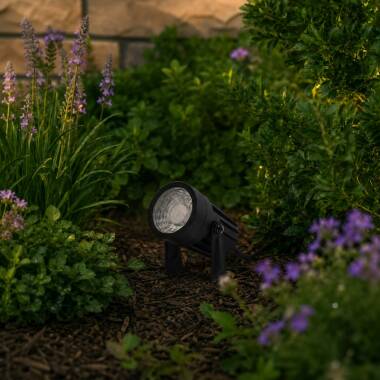
£29.99
EasyFit Pro 24VRef NLY0010414
NewEasyfit Pro 24v Garden Lights - Camellia LED Outdoor Spotlight
IN STOCK - Delivered in 1 to 2 working days
- Wattage 6 W
- Voltage Range 24V AC
- Lumen 720 lm

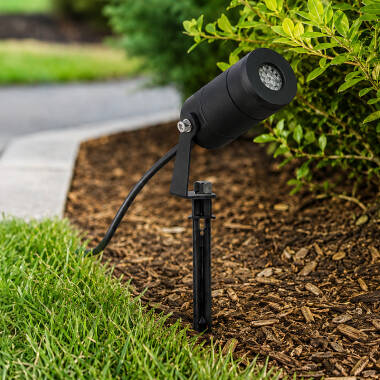
£24.99
EasyFit Core 12VRef 411909
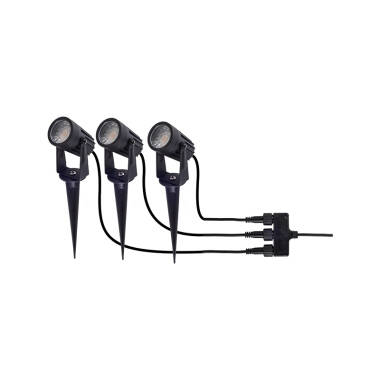
NewEasyFit Core 12v Garden Lights - Thistle LED Outdoor Garden Stake Spotlight
IN STOCK - Delivered in 1 to 2 working days
- Wattage 6 W
- Voltage Range 12V AC
- Lumen 610 lm








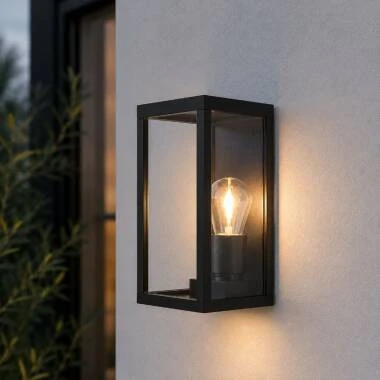



About Low Voltage Garden Lights
Low voltage garden lights run on 12V DC from a mains transformer, making them safer and more flexible to install than mains-voltage outdoor wiring. They're the practical backbone of most domestic garden lighting schemes, easy to extend, reposition, and build upon over time. Browse the full landscape and garden lighting range for all garden lighting categories, or see garden spotlights, stake lights, and post and bollard lights for specific fitting types.
Low voltage garden lighting at Lyco
The case for low voltage garden lighting comes down to safety, flexibility, and simplicity. Running 230V mains cable through a garden requires armoured cable, minimum burial depths, RCD protection, and in most cases a qualified electrician for the installation. Running 12V low-voltage cable from a transformer requires none of these, the cable can be laid on the surface, under mulch, or at shallow depth, and can be cut, extended, and reconfigured as the garden evolves.
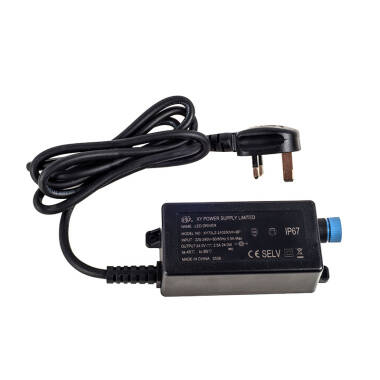
A typical low voltage garden system consists of a mains transformer (which converts 230V to 12V and is usually located inside or in a weatherproof enclosure at the house), a run of low-voltage cable, and the individual fittings connected to it via simple spike-and-connector or screw-terminal junctions. The transformer is rated in watts; the total wattage of all connected fittings must not exceed the transformer's rated output, with a 20% headroom margin recommended.
Most low voltage garden lighting systems use G4 or MR16 LED lamps or integrated LED modules. For the widest fitting choice and best dimming performance, 12V systems remain the standard. Plan the cable routes before installation, burying cables at least 50mm below the surface in areas subject to foot traffic or cultivation. For areas without any mains supply at all, solar garden lights are the cable-free alternative. Lyco offers free delivery on all orders over £70.
Frequently Asked Questions
Do I need an electrician to install low-voltage garden lights?
For the low-voltage cable and fittings themselves, no, 12V cabling is safe to handle and install without qualification. However, the transformer that powers the system must be connected to the mains supply by a qualified electrician if it requires a hardwired connection. Transformer units that simply plug into an outdoor socket can be installed by the homeowner without electrical qualification.
How many lights can I run from one transformer?
Add up the wattage of all fittings you plan to connect, then add 20% headroom. A 60W transformer comfortably powers ten 5W fittings. Exceeding the transformer's rated wattage will cause it to overheat and fail prematurely. If you plan to expand the system in future, buy a transformer with capacity for the full intended scheme from the outset.
Can low-voltage garden lights be dimmed?
Many low-voltage garden lighting systems support dimming, either via a dimmable transformer or a separate 12V PWM dimmer between the transformer and the cable run. Check that the transformer, dimmer (if used), and individual fittings are all specified as dimmable; a non-dimmable transformer in the chain prevents dimming regardless of what the fittings support.
How deep should low-voltage garden cable be buried?
Low voltage garden cable should be buried at a minimum of 50mm in areas not subject to digging or cultivation and at least 150mm in borders and beds where regular cultivation occurs. Mark buried cable routes on a plan for future reference; accidental cable damage when digging is the most common cause of system faults.
Do you sell low-voltage garden lights near me?
Lyco delivers low-voltage garden lights to all UK mainland addresses with next-working-day delivery as standard. Orders over £70 qualify for free delivery, and same-day dispatch applies to the vast majority of in-stock products across the range.