
Standard Bulkheads
Our featured products from Standard Bulkheads
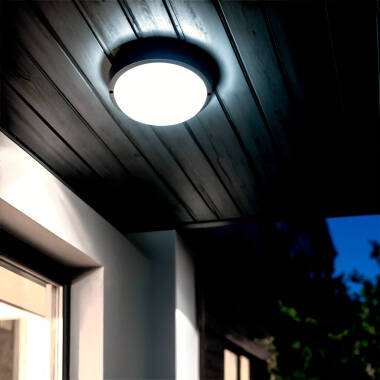
£5.99
Ref E1799
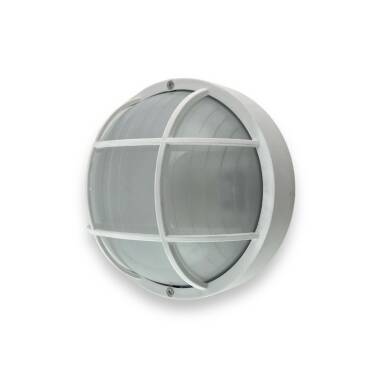
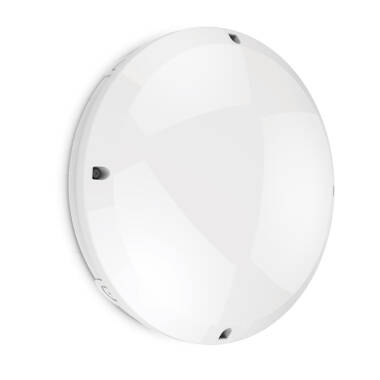
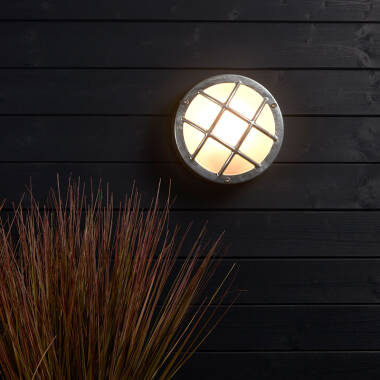
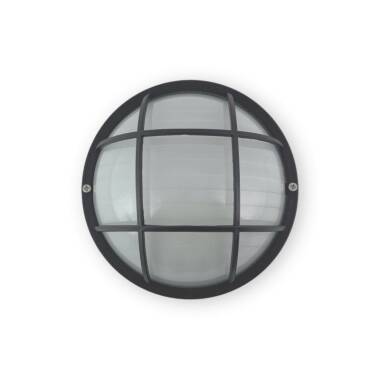
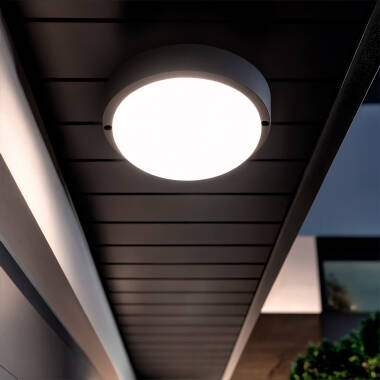
Hublot Round 25W LED Outdoor Flush Ceiling Light IP65
6500K
IN STOCK - Delivered in 1 to 2 working days
3 options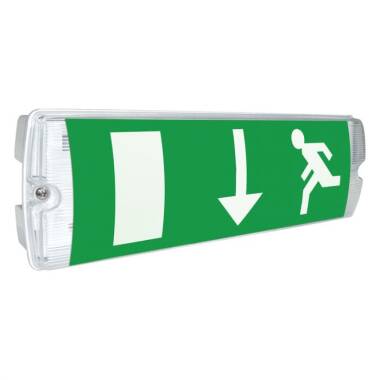
£19.00
 (35)
(35)Ref 28891
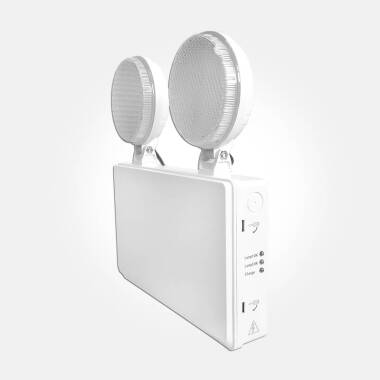
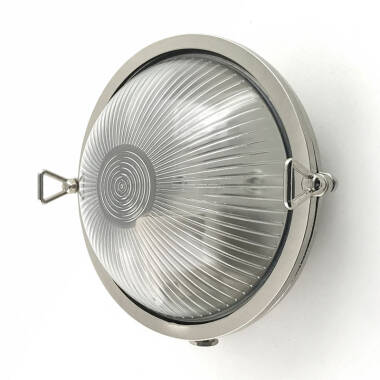
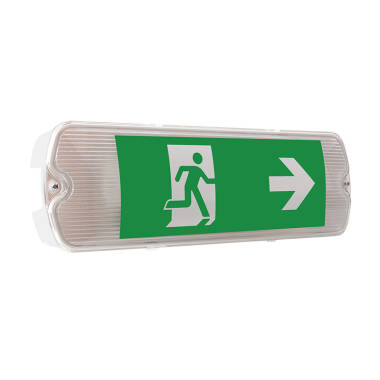
Eterna 7W LED Emergency Bulkhead with Legend Set
White
IN STOCK - Delivered in 1 to 2 working days
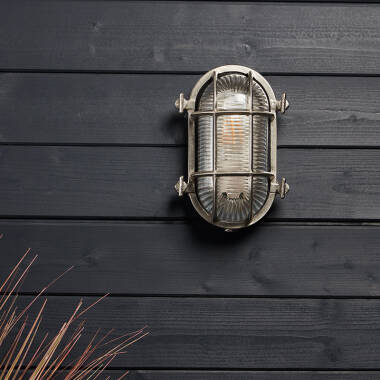
£70.00
Ref 48019
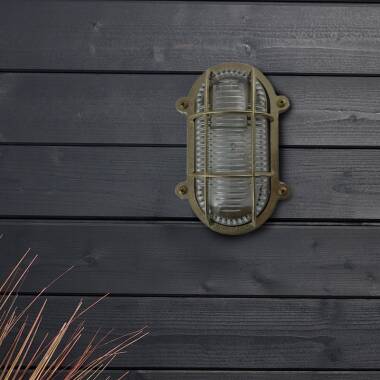
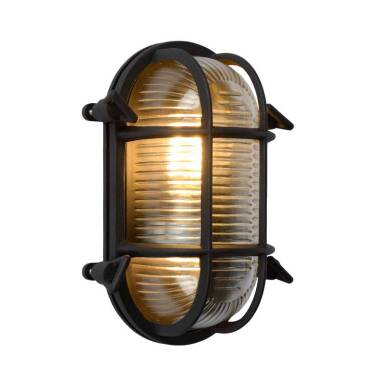
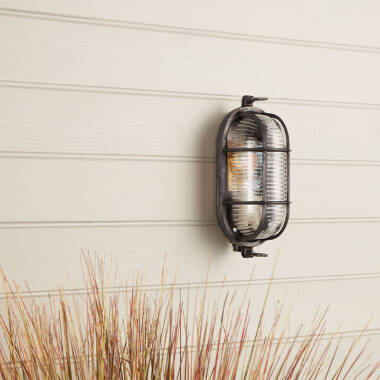
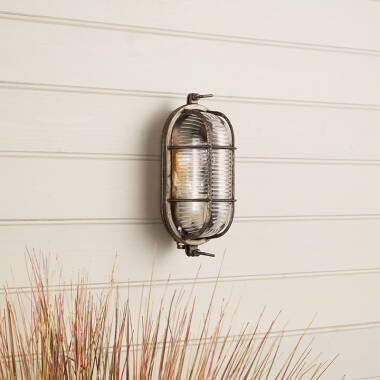
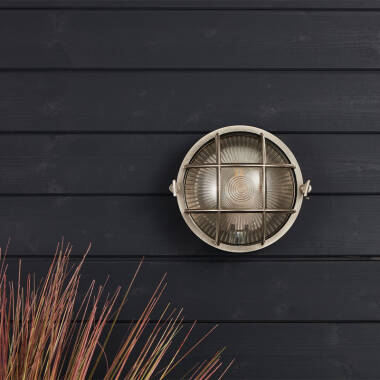
Westport Coastal Board Outdoor Flush Wall Light
Matt Nickel
IN STOCK - Delivered in 1 to 2 working days
2 options

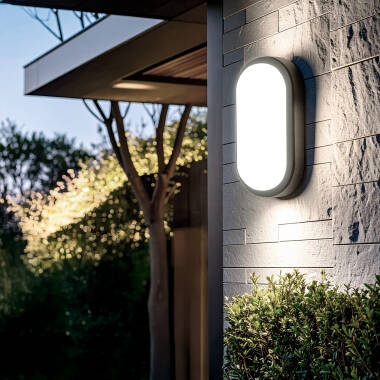
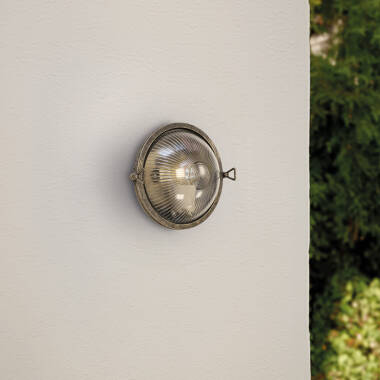
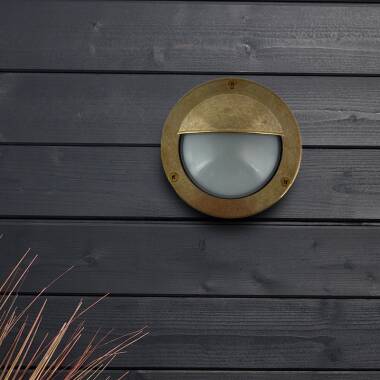
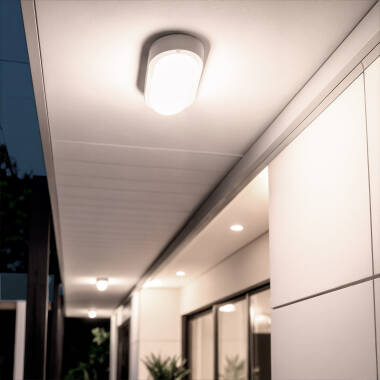
About Standard Bulkheads
Standard Bulkhead Lights
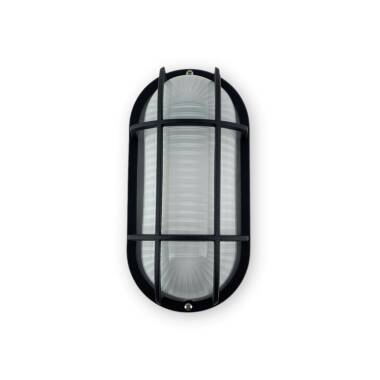
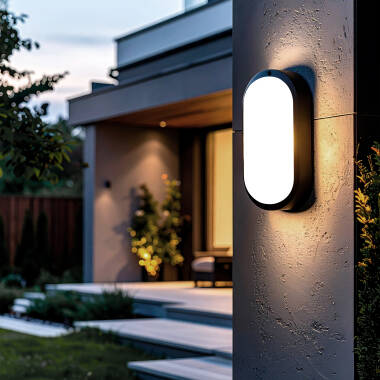
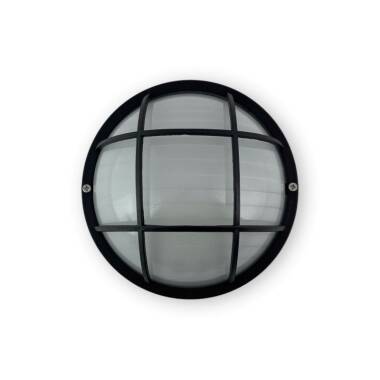
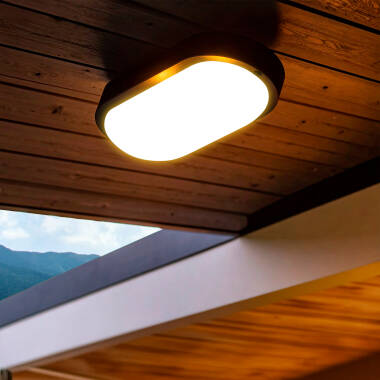
A standard bulkhead light is the go-to fitting for any space that needs reliable, low-maintenance illumination without the complexity of a tracked or recessed scheme. At Lyco, our range covers round bulkhead lights, oval fittings, sensor variants, and wattage-switchable options across IP44 to IP65 ratings, so you can specify precisely what each location requires. For locations requiring battery-backed emergency operation, see our emergency bulkheads.
Find The Best Standard Bulkhead Lights at Lyco
The standard bulkhead is one of the most straightforward fittings to specify, but a few decisions are worth making before browsing to avoid ordering the wrong product for the location.
-
For external walls, covered car parks, and any area exposed to rain or regular cleaning, an IP65 LED bulkhead is the minimum appropriate specification. IP65 provides full dust protection and resistance to water jets from any direction.
-
For dry indoor locations (internal corridors, stairwells in offices or residential blocks), IP44 or IP54 is typically sufficient and often available at a lower price point. Corridor bulkhead lights used in communal residential areas are frequently specified at IP44 for this reason.
Modern LED bulkhead fittings are available across a range from around 6W to 20W. For a standard corridor or stairwell application, 8W–12W typically provides adequate illumination. Higher wattage options are better suited to larger spaces such as car parks or loading bays where a broader, brighter light is needed.
A bulkhead light with a sensor uses either a passive infrared (PIR) detector or a microwave sensor to activate the fitting when movement is detected, dimming down or switching off in unoccupied periods.
Sensor bulkheads are widely used in communal stairwells, car parks, and back-of-house areas where lights are otherwise left running continuously. The energy savings in these settings can be substantial, particularly across larger commercial or residential buildings with high fitting counts.
Lyco stocks PIR and microwave sensor variants across the round bulkhead light range, all available with next working day delivery and free delivery on orders over £70.
Frequently Asked Questions
What is the difference between PIR and microwave sensor bulkheads?
A PIR (passive infrared) sensor detects heat emitted by moving bodies, so it responds when a warm object moves through its field of view. PIR sensors are reliable in open spaces with a clear line of sight but can miss movement through solid obstacles or around corners.
A microwave sensor emits a low-power microwave signal and detects changes in the reflected signal caused by movement, making it more sensitive and better suited to enclosed spaces, stairwells, and areas with unusual geometries. Microwave sensors are generally more expensive than PIR variants but offer more consistent detection in complex spaces.
Can a standard bulkhead light be converted to emergency operation later?
Some LED bulkhead fittings are available in a standard version and a matching emergency version within the same product family, but in most cases a standard fitting cannot simply be converted by adding a battery pack.
Emergency operation requires specific internal circuitry and a battery module designed to work with that fitting. If there is a possibility that a location may require emergency lighting in the future, specifying an emergency bulkhead from the outset is more cost-effective than retrofitting later. See our emergency bulkheads range for the full selection.
Are round bulkhead lights suitable for bathroom installation?
Yes, provided the fitting carries an appropriate IP rating for the zone in which it will be installed. Zone 1 (directly above a bath or shower to a height of 2.25m) requires a minimum of IP44. Zone 2 (within 60cm horizontally of a bath or shower) also requires IP44 as a minimum.
Many round bulkhead lights in this range carry IP44 or IP54 ratings, making them suitable for bathroom use outside of Zone 0. Always check the IP rating against the specific zone before purchasing, and have the fitting installed by a qualified electrician.
How do I choose the right wattage for a corridor bulkhead light?
The right wattage depends on the length and width of the corridor, the ceiling height, and the spacing between fittings. As a general guide, a 10W LED bulkhead in a standard 1.2–1.5m wide corridor typically provides adequate illumination when fittings are spaced 3–4 metres apart. Wider or higher-ceilinged corridors may require higher wattage or closer spacing.
For compliance with emergency lighting standards, the minimum illuminance on an escape route is 1 lux across the floor area, so your electrician or a lighting designer can calculate the fitting layout needed to meet this.
What finishes are standard LED bulkhead fittings available in?
The most common finish is white polycarbonate, which blends into most ceiling and wall surfaces and is the default choice for commercial and residential communal applications. Matte black and grey finishes are available in selected ranges, which suit industrial interiors or external installations where a more utilitarian aesthetic is appropriate.
Stainless steel and brushed aluminium options exist at the higher end of the market, often with a more considered design intended for visible external locations where appearance matters as well as performance.
Do you sell standard bulkhead lights near me?
Lyco delivers to all UK mainland addresses with next working day delivery as standard. Orders over £70 receive free delivery, and the vast majority of products in the standard bulkhead range are dispatched the same day the order is placed.